
Introduction
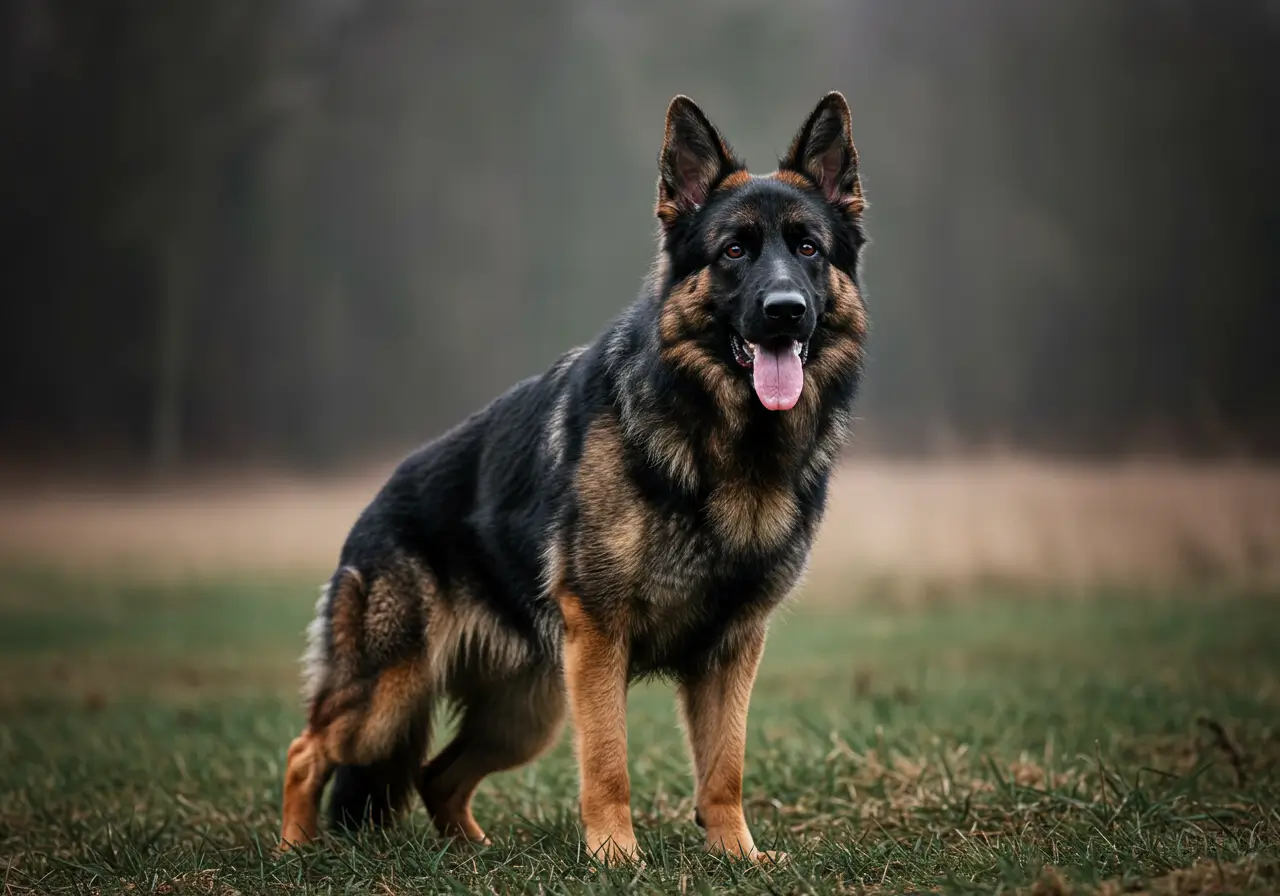
The German Shepherd is one of the most famous and intelligent dog breeds in the world, combining strength, loyalty, and an exceptional ability to learn quickly, which makes it a favorite among both police forces and families. Since its emergence in the late 19th century, this breed has proven its excellence in various fields, from guarding and training to companionship and rescue work.
What truly makes the German Shepherd special is its perfect balance between high intelligence and a calm temperament when raised correctly, making it an ideal choice for both new and experienced dog owners.
In this article, we will explore everything you need to know about this remarkable breed — from its origins and history to care, nutrition, training, and even common health issues.
If you are looking for a reliable and detailed guide to help you understand the German Shepherd and how to raise it properly and healthily, you are in the right place. Here, you will find information based on real experience and trusted studies, presented in simple and clear language to ensure maximum benefit.
Section 1: Overview of the German Shepherd
🔹 What is a German Shepherd?
The German Shepherd Dog (GSD) is a breed known for its high intelligence, physical strength, and strong loyalty to its owner. It is one of the most versatile dog breeds, easily trained to serve as a guard dog, rescue dog, or even a loving family companion. This breed possesses a well-proportioned athletic body and a sharp mind, allowing it to learn commands with remarkable speed—explaining why it is widely relied upon by security and military organizations around the world.
What also sets this breed apart is its balanced temperament; it is courageous without being aggressive, energetic without being chaotic, making it ideal for active families seeking a smart, strong dog they can trust.
🔹 Origin and History
The German Shepherd originated in late 19th-century Germany, when Captain Max von Stephanitz recognized the need for a working dog that combined intelligence and discipline to serve farmers and police forces. He selectively bred a group of German herding dogs with exceptional herding and guarding abilities, successfully developing a standardized breed that combined strength, obedience, and quick learning.
In 1899, Stephanitz founded the German Shepherd Dog Club (SV – Verein für Deutsche Schäferhunde) and set precise standards for breeding dogs based on intelligence, physical structure, and behavioral traits.
During the World Wars, the German Shepherd gained widespread fame as European armies used it for search missions, message delivery, and guarding camps. After the wars, the breed spread to America and Britain, becoming internationally recognized as a symbol of intelligence and loyalty. Today, it is among the top three most popular dog breeds worldwide.
🔹 Historical and Contemporary Uses
Since its early days, the German Shepherd has symbolized hard work and discipline. Historically, it was primarily used to herd and protect livestock from wolves and thieves in rural areas. Over time, its intelligence and ability to focus under pressure allowed it to take on more specialized and demanding tasks.
Today, German Shepherds are employed in various roles, including:
• 🛡️ Police and Security Dog: Detecting contraband and explosives, participating in rescue operations.
• 🦮 Service and Assistance Dog: Assisting people with disabilities and guiding the visually impaired.
• 🐾 Search and Rescue Dog: Responding to natural disasters or missing persons cases.
• 🏠 Family and Companion Dog: Loved for its affectionate nature and loyalty to children and family members.
The German Shepherd is more than just a working dog; it is a true life partner, combining courage, emotion, and intelligence in an irresistible mix.
Section 2: Physical and Behavioral Traits of the German Shepherd
🔹 Physical Characteristics
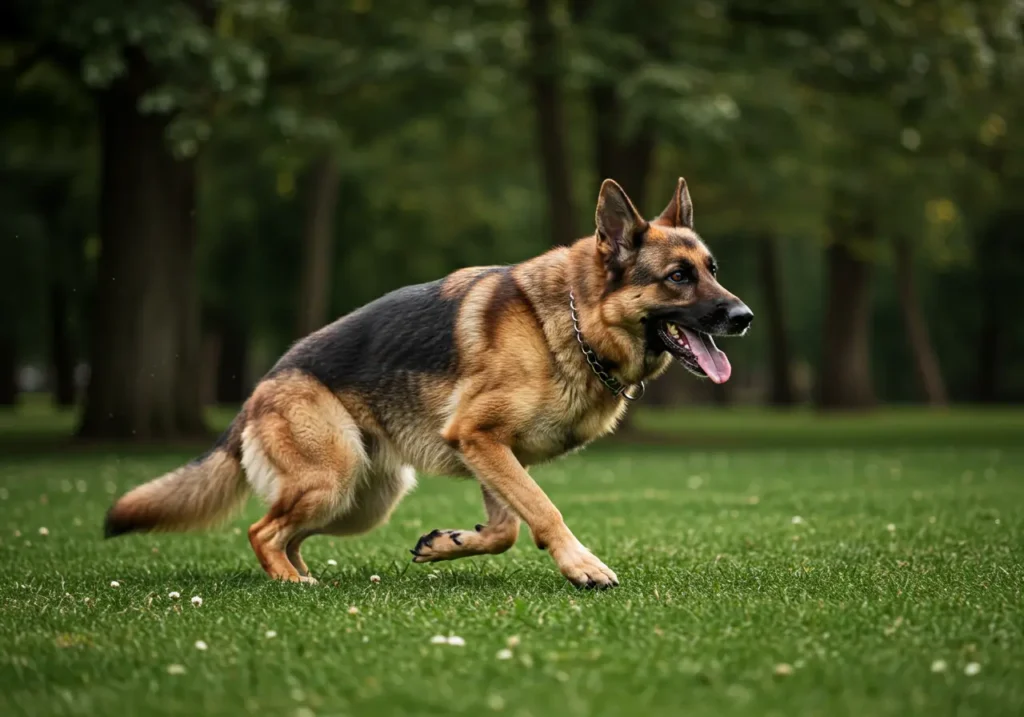
The German Shepherd is a breed with a strong and well-proportioned appearance, featuring a sturdy muscular body and an athletic build that allows it to run and work for long periods without fatigue.
-
Height: Males range from 60 to 65 cm, females from 55 to 60 cm.
-
Weight: On average, males weigh 30–40 kg, and females 22–32 kg, depending on diet and activity level.
-
Colors: Commonly black with tan or gold, but also found in solid black, white, or silver-gray.
-
Coat: Medium to long, double-layered to protect against cold and rain, requiring regular grooming to reduce shedding.
-
Build: Broad chest, slightly sloping straight back, noble-looking head with erect ears reflecting constant alertness.
This perfect balance between beauty and strength makes the German Shepherd both majestic and endearing.
🔹 Intelligence and Learning Speed
One of the most remarkable traits of the German Shepherd is its exceptional intelligence and quick understanding. According to Dr. Stanley Coren’s book The Intelligence of Dogs, the German Shepherd ranks third globally in intelligence among hundreds of breeds.
It can learn new commands in as few as five repetitions and responds correctly over 95% of the time in training tests. This innate intelligence, combined with a strong desire to please its owner, makes it ideal for tasks such as search and rescue, guarding, protection, and even performance work in film and television.
However, it is crucial to channel this intelligence properly, as boredom can lead to undesirable behaviors such as excessive barking or digging.
🔹 Personality and Behavior
The German Shepherd has a balanced personality that combines bravery and affection. It is a loyal dog that will protect its owner if it senses danger, yet it is very gentle with family members and children when raised properly.
-
Loyalty: One of the most devoted breeds, often forming strong emotional bonds with its owner.
-
Protectiveness: Naturally protective, but does not attack without cause, waiting for clear threats or signals.
-
Energy: Highly active and requires daily exercise to maintain mental balance.
-
Interaction with Children: Cautious yet affectionate, can be an ideal play companion if socialized from a young age.
In short, the German Shepherd combines mental and emotional strength, making it a unique model of the ideal dog for both home and work.
🔹 Differences Between Males and Females in Temperament and Behavior
While both genders share most traits, there are slight differences important for breeders:
-
Males: Typically more independent, with stronger guarding and dominant tendencies, making them ideal for security roles or intensive training. They are often bolder in new situations.
-
Females: Generally calmer with higher emotional intelligence, more gentle with children, show faster obedience and training response, and have a strong protective instinct toward the family.
Ultimately, choosing the gender depends on the purpose of the dog: if you want a strong guard dog, a male is an excellent choice; for a loving and cooperative household companion, a female is usually the better option.
🍗 Section 3: Proper Nutrition for the German Shepherd
🔹 Daily Nutritional Needs
The German Shepherd is an active breed with a strong muscular build, so it needs a balanced diet that supports its high energy and promotes muscle growth.
It is recommended that its daily meals include:
-
Proteins (from red meat, chicken, or fish) at 25–30% of its diet.
-
Healthy fats (from fish oil or liver) to strengthen the skin and coat at 10–15%.
-
Carbohydrates (from rice, potatoes, or oats) to provide energy.
-
Vegetables and fruits (such as carrots, apples, spinach) as a source of vitamins and minerals.
An adult dog usually needs two main meals per day, while puppies are given 3 to 4 small meals to maintain stable energy and healthy growth.
🔹 Suitable Types of Food (Natural and Commercial)
You can choose either system or combine them depending on the dog’s needs and your budget:
-
Natural (Homemade) Foods:
-
Boiled chicken or beef.
-
Brown rice or boiled potatoes.
-
Cooked eggs once or twice a week.
-
Lightly cooked vegetables.
✅ Advantage: Natural and rich in nutrients, and you can control its ingredients.
⚠️ Disadvantage: Requires preparation time and must be carefully balanced to avoid nutrient deficiencies.
-
Commercial Foods (Dry or Wet Food):
-
Choose reliable brands rich in protein and designed for large breeds such as Royal Canin, Hill’s, Orijen, Taste of the Wild.
-
Ensure the product contains meat as a main ingredient, not grains.
✅ Advantage: Easy to store and serve, nutritionally balanced.
⚠️ Disadvantage: Can be expensive in the long term.
🔹 Foods to Avoid
Some foods can be toxic or harmful to the German Shepherd even in small amounts, such as:
-
Chocolate 🍫
-
Grapes and raisins 🍇
-
Onion and garlic 🧅
-
Very salty or heavily seasoned foods
-
Small sharp bones (especially cooked chicken bones)
Avoid giving human leftovers or fast food as they cause digestive disorders and obesity.
🔹 Tips to Prevent Obesity or Malnutrition
-
Serve meals at specific times and do not leave food out all day.
-
Use a scale to determine the appropriate amount according to the dog’s weight.
-
Monitor body shape: bones should be felt but not clearly visible.
-
Exercise daily for 45–60 minutes.
-
Consult the veterinarian regularly to evaluate the diet.
🧴 Section 4: Care and Hygiene
🔹 How to Clean the Coat, Teeth, and Ears
Maintaining hygiene is essential for keeping the German Shepherd healthy.
• Coat: Brush at least 3 times a week using a metal brush to reduce shedding.
• Teeth: Brush with a dog-specific toothbrush and toothpaste 2–3 times a week.
• Ears: Clean with a cotton pad soaked in a veterinary cleaning solution once a week to prevent infections.
🔹 How Often Should You Bathe?
A German Shepherd should be bathed every 6 to 8 weeks, or only when it becomes very dirty.
Excessive use of shampoo removes the skin’s natural oils, leading to dryness and itching. Use a gentle, dog-specific shampoo and make sure to dry the dog thoroughly after each bath.
🔹 How to Trim Nails Safely
Nail trimming is necessary every 3 to 4 weeks.
Use a dog nail clipper and avoid cutting the pink inner part (which contains nerves).
If you’re not confident, it’s best to let a veterinarian or pet care professional do it.
🔹 Tips for Grooming During Shedding Seasons
The German Shepherd sheds heavily twice a year (spring and fall).
To manage it:
• Increase brushing frequency.
• Use de-shedding tools to remove dead hair.
• Provide good nutrition (rich in Omega 3 and 6).
• Clean the environment regularly to maintain a healthy and tidy space.
🏋️ Section 5: Training and Behavior
🔹 The Importance of Early Training for the German Shepherd
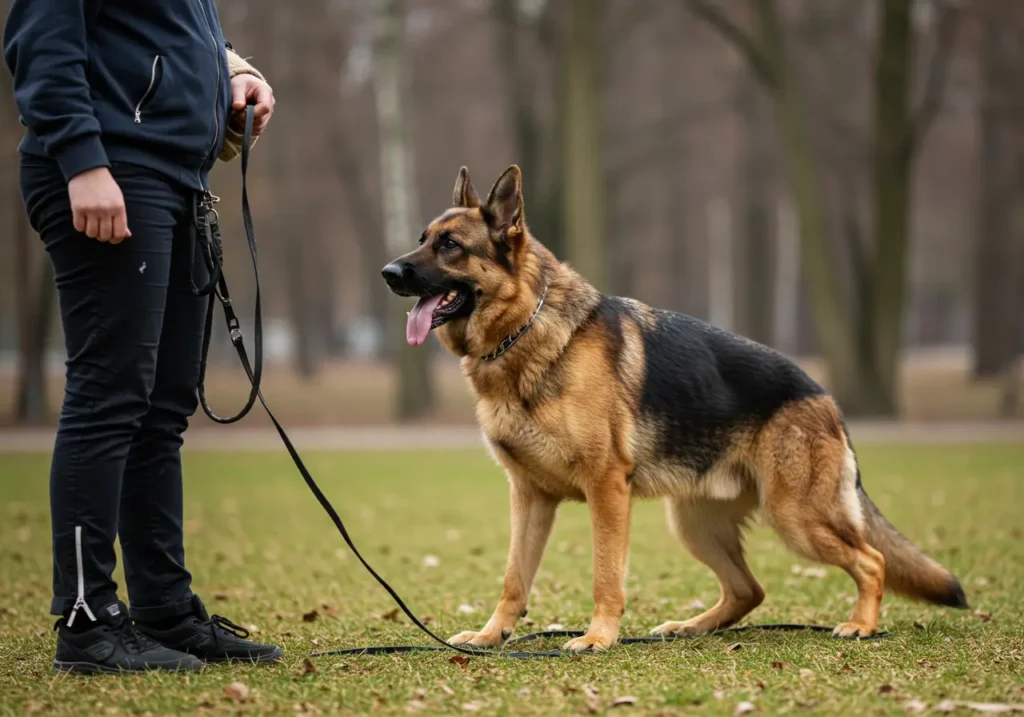
Early training is the foundation for raising a balanced and obedient German Shepherd.
Start training from 8 weeks of age with simple commands (come, sit, stay), and gradually move to advanced training.
The earlier you start, the easier it will be to control behavior and prevent bad habits.
🔹 Best Training Methods (Positive Reinforcement, Smart Games…)
• Use positive reinforcement: reward your dog with treats or praise when following commands.
• Avoid physical punishment — it causes anxiety or aggression.
• Use mental games such as dog puzzles or treat-hunting to stimulate its mind and prevent boredom.
• Keep training sessions short (10–15 minutes) twice a day to maintain focus.
🔹 How to Handle Aggressive or Anxious Behavior
The German Shepherd may display aggression due to fear, overprotection, or lack of stimulation.
To handle it:
• Keep a calm environment during training.
• Ensure daily exercise to release excess energy.
• Don’t leave the dog alone for long periods — it’s a social breed that needs interaction.
• Consult a professional trainer if aggressive behavior continues.
🔹 Activities and Exercises to Stimulate Its Intelligence and Energy
The German Shepherd needs daily mental and physical activity.
The best activities include:
• Running alongside a bicycle 🚴♂️
• Fetch games
• Obedience training and dog sports competitions
• Search and retrieval tasks 🕵️♂️
These activities help maintain mental balance and strengthen the bond between you and your dog.
🩺 Section 6: Health and Common Diseases of the German Shepherd
1. Common Hereditary Diseases in the Breed
The German Shepherd is known for its strong health, but it is prone to certain hereditary conditions that should be monitored, including:
• Hip Dysplasia: A condition affecting the hip joint, causing pain or difficulty in movement, and one of the most common issues in the breed.
• Joint and Spinal Problems: Such as elbow dysplasia and spinal curvature, which may impact the dog’s mobility and daily activity.
• Hereditary Heart and Eye Problems: Some breeding lines may suffer from heart diseases or retinal issues that affect vision.
2. Symptoms to Watch Out For
Regular observation is essential to detect any signs of potential illness, such as:
• Limping or difficulty walking.
• Fatigue or decreased activity levels.
• Loss of appetite or sudden changes in weight.
• Behavioral changes such as withdrawal or aggression.
3. Vaccination Schedule and Veterinary Care
To maintain your German Shepherd’s health, you should adhere to:
• Core Vaccinations: Rabies, hepatitis, distemper, and tetanus.
• Routine Checkups: Visit the veterinarian once or twice a year for general examinations — including teeth, coat, ears, heart, and joints.
• Nutritional Supplements: When needed, to strengthen joints and support overall health.
4. Average Lifespan and Influencing Factors
• The German Shepherd typically lives 9 to 13 years.
• Factors influencing lifespan and quality of life include:
o Genetics and breeding line.
o Balanced and high-quality diet.
o Physical activity and daily exercise.
o Proper healthcare and regular veterinary visits.
🏠 Section 7: Is the German Shepherd Right for You?
-
Is it suitable for families and children?
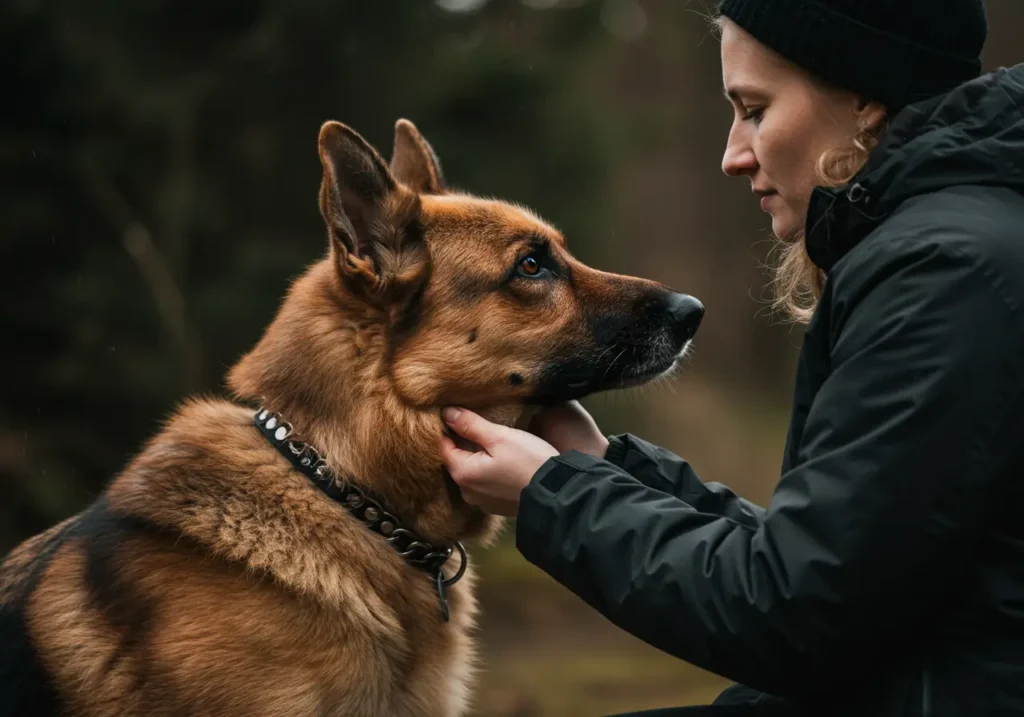
• The German Shepherd is known for its loyalty and affection toward its family, making it an excellent choice for families.
• With early socialization and training, it can be a safe companion for children.
• It has a natural ability to protect the family without being aggressive.
• It’s important to teach children how to interact respectfully with the dog and respect its personal space to avoid any issues.
-
Can it be raised in a small apartment?
• The German Shepherd needs enough space for movement and daily activity, so keeping it in a small apartment can be challenging.
• However, with sufficient daily exercise, long walks, and mentally stimulating games, it can adapt to apartment living.
• Ideally, having a yard or outdoor space allows the dog to release energy in a healthy way.
-
How much time and effort does it require?
• This dog needs consistent daily training, especially during its early life stages.
• It requires both physical and mental activities such as running, playing, and problem-solving exercises.
• Socialization with other dogs and people is also essential to ensure balanced behavior.
-
Monthly care and maintenance costs
• The main expenses include:
o Quality, balanced food.
o Veterinary care and regular check-ups.
o Nutritional supplements if necessary.
o Toys and training tools.
• Monthly costs typically range between $200 and $400 USD, depending on food quality, veterinary services, and location.
🐾 Section 10: Expert and Breeder Tips
-
Common Mistakes New Owners Make
-
• Lack of early training: Ignoring basic obedience and socialization can lead to unwanted behavior.
• Over-pampering: Excessive affection may reduce the dog’s respect for household rules.
• Poor diet management: Feeding unbalanced meals or excessive portions can cause obesity and health problems.
• Neglecting physical activity: The German Shepherd needs regular daily exercise to release energy and maintain physical and mental health. -
Tips for Building a Strong Bond with Your Dog
-
• Positive communication: Use rewards and play as training tools.
• Daily time and attention: Spending quality time with your dog strengthens trust and loyalty.
• Early socialization: Exposing your puppy to children, strangers, and other dogs ensures balanced and stable behavior.
• Continuous training: Even after mastering basic obedience, keep practicing to enhance intelligence and discipline. -
How to Choose a Healthy Puppy from a Trusted Breeder
-
• Check the puppy’s health records and vaccination history.
• Observe the puppy’s behavior and temperament before purchase—choose one that shows energy, curiosity, and emotional balance.
• Verify the breeder’s reputation and experience; look for reviews or recommendations from other owners.
• Ask about the parents’ genetic history and potential health issues to ensure a physically and mentally healthy puppy.
💬 Section 11: Frequently Asked Questions (FAQ)
-
Is the German Shepherd naturally aggressive?
No, the German Shepherd is not naturally aggressive.
• It is protective and loyal to its family but needs early training and socialization to ensure balanced behavior.
• Aggression usually results from neglect, fear, or mistreatment, and it is not a natural trait of the breed.
-
How much training time does it need daily?
• Puppies need 30 to 60 minutes of training per day, divided into short sessions.
• Training includes basic obedience commands, mental exercises, and socialization.
• Adult dogs require consistent daily activity and regular exercise to stay healthy and energetic.
-
Is it suitable for beginner dog owners?
• The German Shepherd is suitable for beginners who are committed to investing time and effort in training and care.
• If you are ready for consistent training, physical activity, and proper socialization, it’s an excellent choice.
• Beginners expecting a low-energy or easy-to-raise dog may face challenges with this breed.
-
How long does a German Shepherd live?
• The average lifespan is between 9 and 13 years.
• Longevity depends on genetics, nutrition, activity level, and regular veterinary care.
-
Can it live with cats or other animals?
• Yes, with early socialization, it can live peacefully with cats and other pets.
• The key is gradual and careful introduction to ensure healthy adjustment between animals.
-
How much does it cost to buy and care for one monthly?
• The cost of buying a healthy puppy from a trusted breeder typically ranges from $500 to $1,500, depending on lineage and quality.
• Monthly expenses include:
o High-quality and balanced food
o Veterinary care and regular checkups
o Nutritional supplements, toys, and training tools
• The average monthly cost ranges between $200 and $400, depending on food quality and veterinary services.
🧭 Conclusion
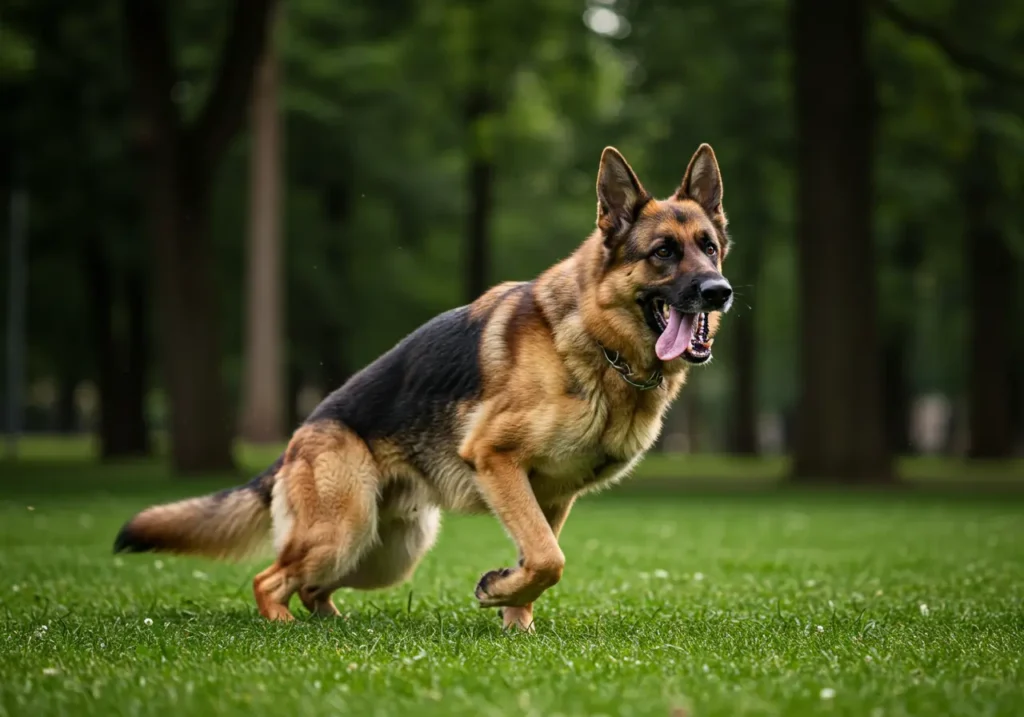
In this article, we have covered everything about the German Shepherd — from the breed’s history and distinctive traits to nutrition, grooming, training, health, and subtypes, all the way to expert tips and breeder advice.
• Key takeaways:
o The German Shepherd is intelligent, loyal, and easy to train when given consistent daily exercise and early socialization.
o Proper health care and balanced nutrition play a crucial role in ensuring a long and healthy life.
o Choosing a puppy from a trusted breeder and following expert advice helps build a strong and stable bond with your dog.
We encourage you to raise your German Shepherd with care and joy — good training and proper attention will ensure a life full of trust and happiness for both you and your dog.
Don’t forget to explore more of our helpful articles on dog training and pet care to become a more knowledgeable and confident pet owner.